The Weight of the Real: Rediscovering the Soul of Cinema
In the quiet hum of a modern editing suite, it is easy to feel that we have reached the pinnacle of human expression. With a few keystrokes, we can summon entire galaxies, resurrect long-lost legends, and defy the very laws of physics. The digital film era has gifted us with an infinite canvas, yet, as we gaze into the hyper-perfect depths of the screen, a certain nostalgia begins to stir. There is a growing collective realization that in our pursuit of the limitless, we may have momentarily misplaced the soul of the craft: the tangible, the tactile, and the beautifully imperfect world of practical artistry.
At Lug Cinema, we often find ourselves reflecting on this shift. As a creative film studio, we witness daily the tension between the convenience of the digital and the resonance of the physical. The return to practical artistry is not merely a trend or a rejection of technology; it is a profound homecoming. It is a recognition that there is a weight to the real world—a texture that light catches differently when it hits a physical object rather than a simulated surface.
The Allure of the Tangible in a Virtual World
There is something inherently honest about a practical effect. Whether it is the subtle whir of an animatronic creature, the intricate detail of a hand-painted miniature, or the visceral impact of a stunt performed in the open air, these elements ground a story in a way that pixels often struggle to replicate. When an actor stands on a physical set, breathing in the dust of a constructed ruin, their performance changes. Their eyes react to real light; their skin feels the genuine temperature of the room. This synergy between the performer and their environment creates a ripple effect of authenticity that reaches all the way to the back row of the theatre.
The digital era brought us the ‘Uncanny Valley’—that strange, unsettling space where something looks almost human, but not quite. Practical artistry allows us to bypass this discomfort. By utilizing the physical, we lean into the ‘Canny Valley,’ where the slight imperfections of a puppet or the grain of a 35mm film strip evoke a sense of warmth and familiarity. It reminds the audience that behind the lens, there are human hands at work, meticulously crafting a world for them to inhabit.
Why Practical Artistry Matters for Today’s Content Creators
For the modern video content creator, the temptation to ‘fix it in post’ is ever-present. However, the most compelling creators are those who understand that the magic happens before the camera even rolls. Embracing practical techniques requires a different kind of discipline—a commitment to planning, a reverence for the physical materials, and a willingness to embrace the happy accidents that occur when the real world intervenes.
Reflecting on the return to the physical, we see several key areas where practical artistry is reclaiming its throne:
- Miniature Photography: Used to create a sense of scale and depth that feels grounded and atmospheric.
- Prosthetics and Makeup: Allowing for a physical transformation that enables actors to truly inhabit a character’s skin.
- In-Camera Transitions: Utilizing mirrors, lighting shifts, and physical movement to create seamless storytelling without digital cutting.
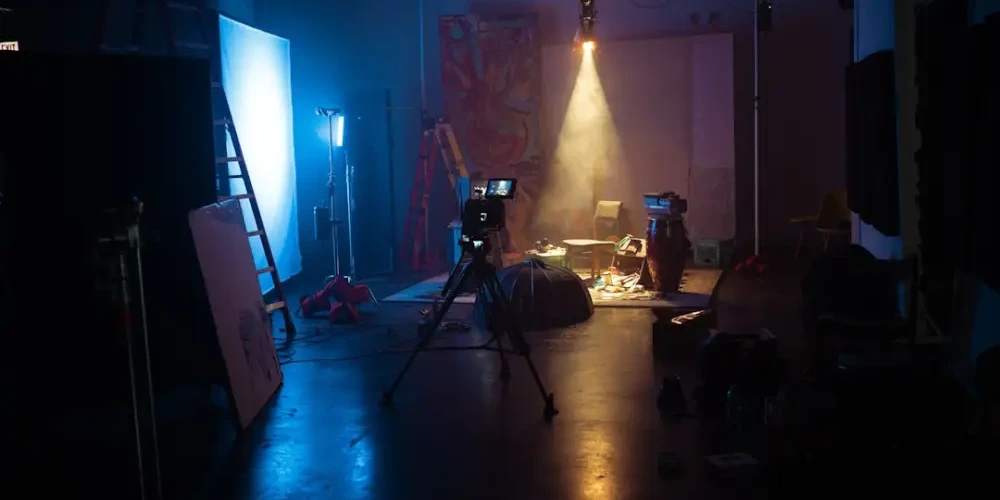
- Practical Lighting: Using real-world light sources within the frame to create a naturalistic and immersive mood.
- Location Scouting: A return to finding the ‘perfect’ real-world spot rather than relying on a green screen, capturing the unique spirit of a place.
A Synthesis of Worlds: The New Cinematic Language
To advocate for practical artistry is not to suggest we should discard the incredible tools of the digital age. Instead, it is a call for a more thoughtful synthesis. The most breathtaking moments in modern cinema often occur when the digital and the practical are woven together so tightly that the seams disappear. When CGI is used to enhance a practical set, rather than replace it, the result is a cinematic experience that feels both fantastical and undeniably real.
Consider the roar of an engine in a practical car chase, enhanced by digital color grading to match a specific emotional tone. Or a physical creature suit, given that extra layer of life through subtle digital eye movements. This is where the future of Lug Cinema and the wider film industry lies: in the marriage of the old-world craftsmanship and new-age innovation. It is about using the best of both worlds to serve the story, rather than letting the tools dictate the narrative.
The Psychology of the Physical Set
There is a psychological weight to the physical. When a crew gathers around a practical rig, there is a shared energy—a collective focus on a singular, physical event that is about to happen. This ‘liveness’ is what gave early cinema its power. It creates a high-stakes environment where every person on set is essential to the success of the shot. This shared experience fosters a sense of community and craftsmanship that can sometimes be lost in the isolation of a digital workflow. By returning to these roots, we rediscover the joy of making, the thrill of the build, and the satisfaction of seeing a tangible idea come to life.
The Future of the Practical Frame
As we look forward, the return to practical artistry feels less like a step backward and more like a maturation of the medium. We have explored the limits of the digital frontier, and now we are bringing back the treasures we found to enrich the physical world we call home. For audiences, this means a return to movies that feel ‘felt’—films that leave a thumbprint on the soul.
At Lug Cinema, we remain dedicated to this reflective journey. We believe that the most powerful stories are those that remind us of our own humanity, and there is no better way to do that than through the art of the tangible. In the digital film era, the greatest innovation might just be the rediscovery of the human touch. As we continue to push the boundaries of what is possible, we do so with a steady hand on the physical tools that started it all, ensuring that every frame we produce carries the weight, the texture, and the heartbeat of the real world.
Related Posts
The quiet search for authenticity in a digital filmmaking world
Explore the quiet search for…
The introspective process of translating raw emotion into visual poetry
Discover the introspective process of…