
Articles in this Cinematic storytelling guide
Modern filmmaking exists in a state of technological abundance. High-definition sensors, artificial intelligence, and sophisticated post-production tools have made it possible to achieve a level of visual clarity that was once unimaginable. However, as technical barriers fall, a new challenge emerges: the preservation of depth. When every frame is polished to a pixel-perfect sheen, the result can often feel sterile, lacking the grit and imperfection that define the human experience. This tension between technical capability and emotional resonance is driving the quiet search for authenticity in a medium that frequently prioritizes the synthetic over the real.
True cinematic depth is not found in 8K resolution or the absence of grain. Instead, it is found in the "soul" of the image—the subtle textures that ground a story in reality. For decades, the evolution of motion pictures was a race toward clarity, yet many contemporary filmmakers are looking backward to find inspiration. They are rediscovering the beauty of the slight flare from a vintage lens, the organic movement of a handheld camera, and the unpredictable nature of natural light. These elements do not detract from the story; they enhance it by providing a tangible sense of place and time. Authenticity in this context is not about rejecting the digital tools at our disposal but about using them to reveal the human condition rather than concealing it behind a veneer of perfection.
Consider the difference between a scene lit with clinical precision and one where shadows are allowed to swallow the edges of the frame. The former provides information, while the latter provides atmosphere. By embracing imperfection, a filmmaker invites the audience to fill in the gaps with their own imagination, creating a more participatory and immersive experience. This shift from consumption to connection is what separates mere video content from true cinematic art.
Translating Human Emotion into Visual Poetry
At the heart of compelling cinema lies the ability to express the inexpressible. Dialogue can convey facts and intentions, but visual poetry conveys the weight of the subconscious. This process begins long before a single frame is captured; it starts with an internal resonance within the creator. To translate a feeling into a visual medium, one must first understand the texture of that feeling. Is grief heavy and claustrophobic, or is it wide and empty? Is joy a blinding flash of light or a slow, warm glow?
The introspective process of translating raw emotion into a visual language requires a departure from standard technical checklists. Instead of focusing solely on aperture and frame rates, the filmmaker must look for metaphors in the world around them. A lingering shadow on a wall can speak volumes about a character’s isolation, while a specific hue of blue can evoke a sense of longing more effectively than a page of script. This is the alchemy of light, shadow, and composition—taking the chaotic energy of human emotion and refining it into a universal visual language.
For example, a close-up is not just a way to see an actor’s face; it is a tool for intimacy or confrontation. A wide shot is not merely a way to establish a location; it is a means of exploring a character's relationship with their environment. When these choices are made with emotional intentionality, the camera becomes more than a recording device—it becomes a poet. This level of craftsmanship demands a willingness to sit with an emotion, to understand its nuances, and to find the specific visual cues that will trigger a similar response in the viewer.
The Power of Observational Filmmaking and Authentic Performance
There is a common instinct in directing to control every variable. We obsess over blocking, rehearse every line to a specific tempo, and micro-manage the smallest gestures. While this level of planning provides a necessary foundation, it can also create a psychological barrier that prevents raw emotion from reaching the lens. Some of the most profound moments in cinema occur not because of a director’s instruction, but because the director knew when to step back.
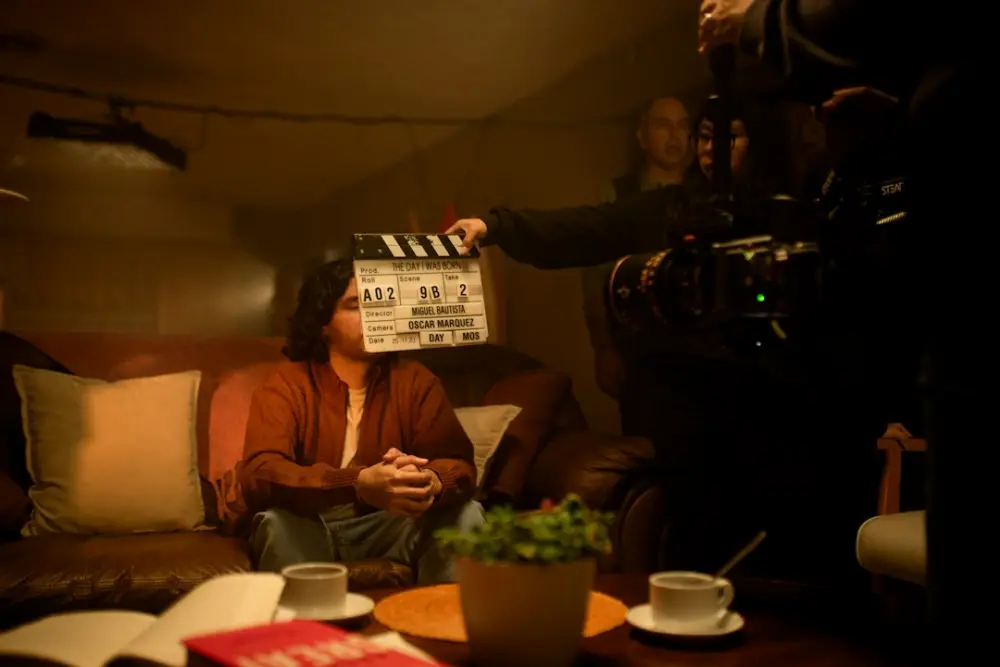
When the pressure of constant direction is removed, what the camera discovers when we finally stop directing can be transformative. It might find the way a subject exhales after a difficult line, the subtle, unscripted glance toward a window, or a momentary lapse in composure that reveals a character’s true vulnerability. These unscripted moments feel alive because they are spontaneous. They represent a truth that cannot be manufactured in a rehearsal room.
Transitioning from a rigid director to an observant filmmaker requires a fundamental shift in mindset. It involves trusting the performers and the process enough to allow for happy accidents. By creating an environment where the talent feels safe to inhabit the character rather than just performing for the camera, the filmmaker opens the door to authenticity. The camera then becomes an observer of life rather than a witness to a performance. This observational approach often yields "gold" in the edit—those small, quiet beats that ground the narrative in a recognizable reality.
Preserving Artistic Intent in the Age of Streaming
The way we consume stories has changed dramatically. Streaming platforms have made media more accessible than ever, but they have also introduced new challenges for cinematic storytelling. In a world of endless scrolling and binge-watching, much of the content is designed for passive consumption—background noise that demands little from the viewer. Yet, the essence of cinematic storytelling in the streaming age remains a powerful counter-force to this trend.
True cinema demands attention. It rewards patience and evokes deep emotional responses through deliberate pacing, symbolism, and thematic resonance. While streaming algorithms often favor formulaic narratives that fit neatly into established genres, cinematic storytelling thrives on creative risk. It is the difference between a story that follows a predictable path and one that challenges the viewer’s perceptions. Independent filmmakers and studios committed to the craft continue to push boundaries, exploring bold narratives that might be filtered out of mainstream, algorithm-driven content.
The theatrical experience—the scale of the screen, the immersive sound, and the lack of interruptions—still matters because it allows the artistry of the film to be fully felt. Even when viewed on a smaller screen at home, a well-crafted film maintains its power if the filmmaker has prioritized depth over distraction. By focusing on character arcs and visual tension rather than just plot points, creators can ensure their work stands out in a crowded digital marketplace. The goal is to create cultural moments that linger long after the credits roll, rather than content that is consumed and immediately forgotten.
Techniques for Capturing the Unscripted Moment
To move beyond the clinical execution of a script and toward a more authentic form of storytelling, filmmakers can employ specific techniques that encourage spontaneity. These methods are designed to break the routine of a traditional set and allow the camera to capture something unexpected.
- The "Long Tail" Take: Instead of calling "cut" immediately after the last line of dialogue, let the camera run for an extra thirty to sixty seconds. This is often when actors drop their guard and offer a genuine reaction or a moment of reflection that fits the character perfectly.
- The Silent Take: Ask the performers to play through a scene without speaking any of the written dialogue. This forces them to communicate through subtext, movement, and eye contact, often revealing deeper emotional layers that the words might have obscured.
- Observational Framing: Use longer lenses and position the camera further away from the actors. This creates a physical distance that can make the performers feel less "watched," allowing them to move more naturally within the space.
- Embracing Environmental Variables: Instead of fighting against a sudden change in weather or an unexpected sound in the environment, consider how it might be integrated into the scene. These organic elements add a layer of realism that is impossible to replicate in a controlled studio setting.
By incorporating these practices, the production process becomes a search for discovery rather than a quest for replication. The filmmaker stops trying to force the scene to look like a pre-conceived storyboard and starts looking for the truth of the moment as it unfolds in front of the lens.
Evolving the Cinematic Craft for Modern Audiences
The evolution of cinematic storytelling requires a balance between mastering the technical aspects of the craft and nurturing the artistic vision that gives the work meaning. For those looking to deepen their storytelling, the path forward involves a commitment to both introspection and observation. The most effective filmmakers are those who understand that every technical choice—from the choice of lens to the color grade—must be a reflection of the story’s emotional core.
Practical takeaways for the modern storyteller include:
- Prioritize Theme Over Plot: While a strong plot keeps the audience engaged, it is the theme that gives the story its lasting impact. Ask what the story is truly about on a human level and ensure that every visual choice supports that underlying message.
- Develop a Visual Vocabulary: Study the work of master cinematographers and directors to see how they use light and shadow to convey mood. Build a personal library of visual metaphors that you can draw upon when translating emotions into images.
- Foster a Collaborative Environment: Authenticity is often a collective effort. Encourage your cast and crew to bring their own perspectives and experiences to the project. A collaborative set is more likely to produce the kind of spontaneous, genuine moments that resonate with an audience.
- Respect the Audience: Trust that the viewers are capable of understanding nuance and subtext. You don’t need to explain every emotion through dialogue; often, what is left unsaid is more powerful than what is spoken.
In a world saturated with content, the stories that endure are those that feel real, honest, and deeply human. By moving beyond digital perfection and embracing the complexities of the human experience, filmmakers can create work that transcends the limitations of the medium and touches the soul of the viewer.
Supporting Reading
To further explore the nuances of cinematic storytelling and the search for authenticity in the modern age, consider these in-depth guides:
- cinematic storytelling in the streaming age: An exploration of how craftsmanship survives and thrives amidst the rise of digital platforms.
- The introspective process of translating raw: A deep dive into the internal journey of turning human feelings into visual metaphors.
- The quiet search for authenticity in: Reflections on finding the soul of the image in an era of pixel-perfect resolution.
- What the camera discovers when we: Practical insights into the art of observational filmmaking and capturing unscripted truth.